
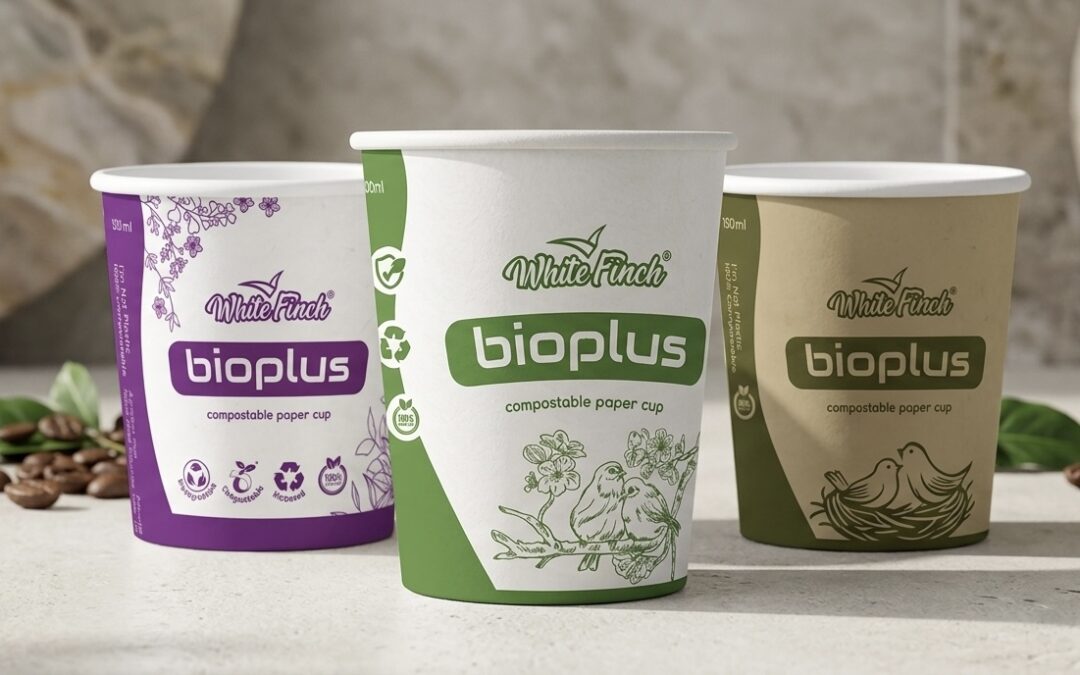
In 2026, sustainability is no longer a “nice-to-have” corporate social responsibility (CSR) initiative—it is a competitive necessity. As global regulations tighten on single-use plastics and consumer sentiment shifts toward eco-conscious purchasing, the humble coffee cup has undergone a revolution.
Enter the Bio Paper Cup: a plant-based, compostable alternative to traditional plastic-lined disposables. For businesses, switching to bio-based packaging is more than an environmental gesture; it is a strategic move to future-proof operations, drive brand loyalty, and align with the $276 billion eco-friendly packaging market.
The Core Difference: Why “Standard” Isn’t Enough
To understand the value of bio paper cups, you must first distinguish them from conventional options.
- Traditional Paper Cups: While made of paper, these are lined with Polyethylene (PE)—a petroleum-based plastic that makes the cup waterproof but nearly impossible to recycle in standard facilities.
- Bio Paper Cups: These utilize Polylactic Acid (PLA) or water-based barriers—coatings derived from renewable resources like corn starch or sugarcane. They are designed to break down in industrial composting facilities, turning into nutrient-rich soil rather than lingering in landfills for decades.
3 Strategic Advantages for Modern Businesses
- Capitalizing on the “Conscious Consumer” Premium
Data indicates that 67% of consumers now prioritize eco-friendly brands when making purchasing decisions. By switching to bio paper cups, you aren’t just serving a beverage; you are communicating shared values. This alignment triggers a “halo effect,” where customers perceive your entire brand as higher quality and more trustworthy simply because you prioritized the planet over the cheapest bulk-buy option.
- Regulatory Future-Proofing
Governments globally are rapidly phasing out non-recyclable single-use plastics. Transitioning to certified compostable or biodegradable packaging now allows your business to:
- Avoid sudden supply chain shocks when local bans take effect.
- Qualify for green certifications and tax incentives offered in many regions.
- Simplify waste management for your facility by aligning with local green-waste streams.
- The “Storytelling” Canvas
A bio paper cup is a premium marketing asset. Because these cups are often made from unbleached or sustainably sourced fiber, they carry a natural, tactile aesthetic that signals “authenticity.” When you print your logo using soy- or water-based inks on a compostable cup, you tell a complete story: your brand is modern, responsible, and transparent.
Industry Impact: Which Sector Gains the Most?
| Industry | The “Green” Opportunity | Business Growth Result |
| Cafés & Quick-Service | High-volume switch to compostable PLA cups | Attracts Gen Z and Millennial repeat customers. |
| Corporate Offices | Replacing plastic-lined vending cups | Enhances ESG (Environmental, Social, Governance) scores. |
| Events & Festivals | Bulk use of biodegradable fiber cups | Simplifies cleanup and meets strict venue regulations. |
| Luxury Hospitality | Branded, bamboo-fiber or bagasse cups | Reinforces premium status through sustainable innovation. |
Making the Switch: A 3-Step Guide
Transitioning your procurement strategy doesn’t have to be overwhelming.
1.Audit Your Current Volume:Know your numbers.
Assess how many units you move monthly. This helps you secure bulk-pricing tiers and ensures consistent supply chain reliability with your new vendor.
2.Verify Certifications:Don’t get greenwashed.
Look for labels like BPI Certified Compostable or FSC-certified wood pulp. Ensure the lining is PLA or water-based, not standard PE plastic.
3.Educate Your Customers:Close the loop.
Print a simple “Compostable” icon or QR code on the cup linking to disposal instructions. This ensures the cup actually ends up in the correct waste stream, proving your commitment is real.